Mission Flight to Eleuthera, The Bahamas

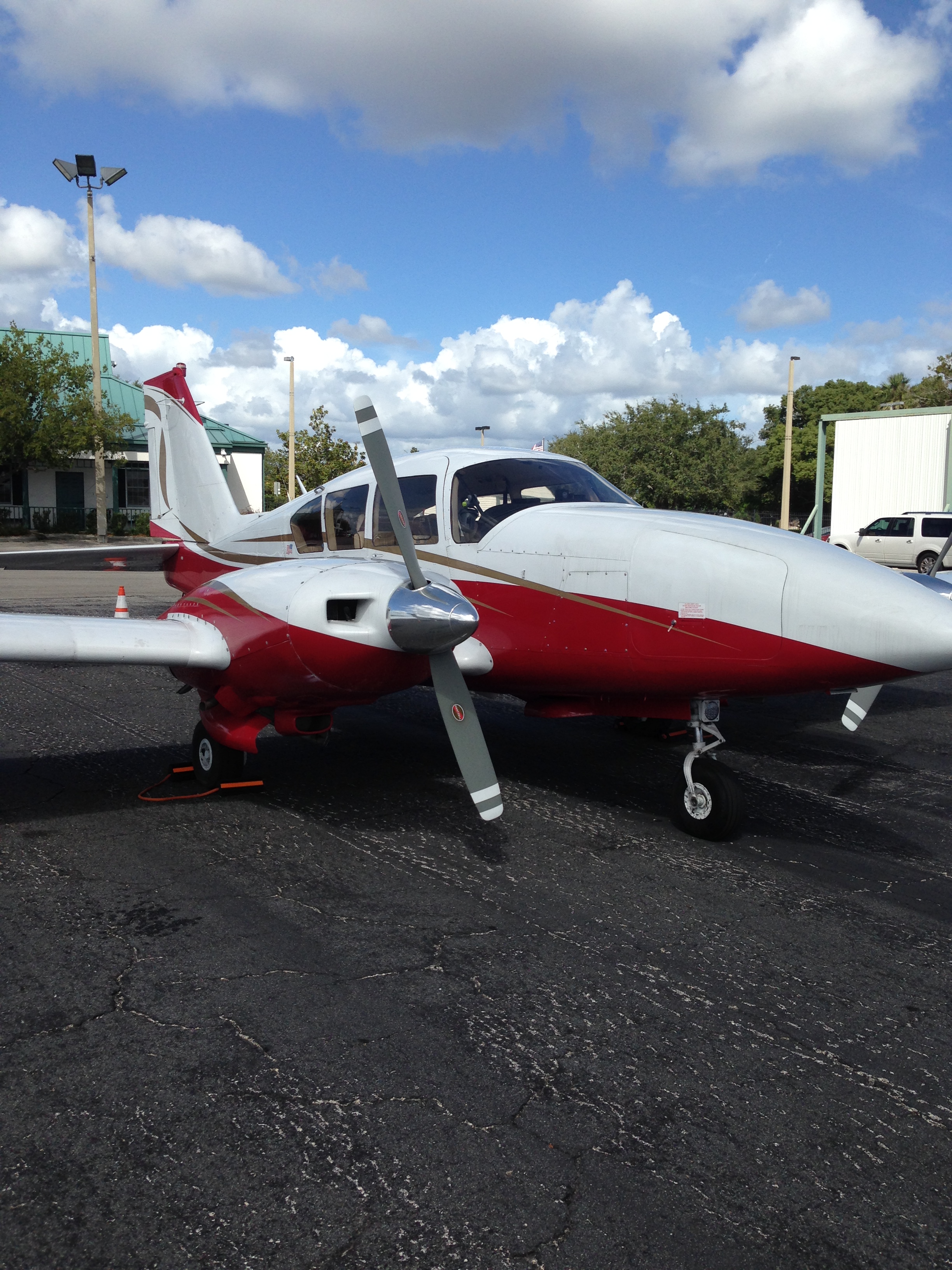
This past weekend, I had the opportunity to fly with Bahamas Habitat to Eleuthera, The Bahamas to attend the dedication of the Gary London Vocational Training Centre (British spelling there) at the Campus of Camp Symonette and deliver supplies to Bahamas Methodist Habitat.  I flew down with Steve Merritt (Great Commission Aviation Board Member and Bahamas Habitat President) in a twin-engine Piper Aztec.
IMG_0508
My chariot to The Bahamas. Piper Aztec.

We left early Thursday morning and flew from Raleigh to Orlando, Florida.
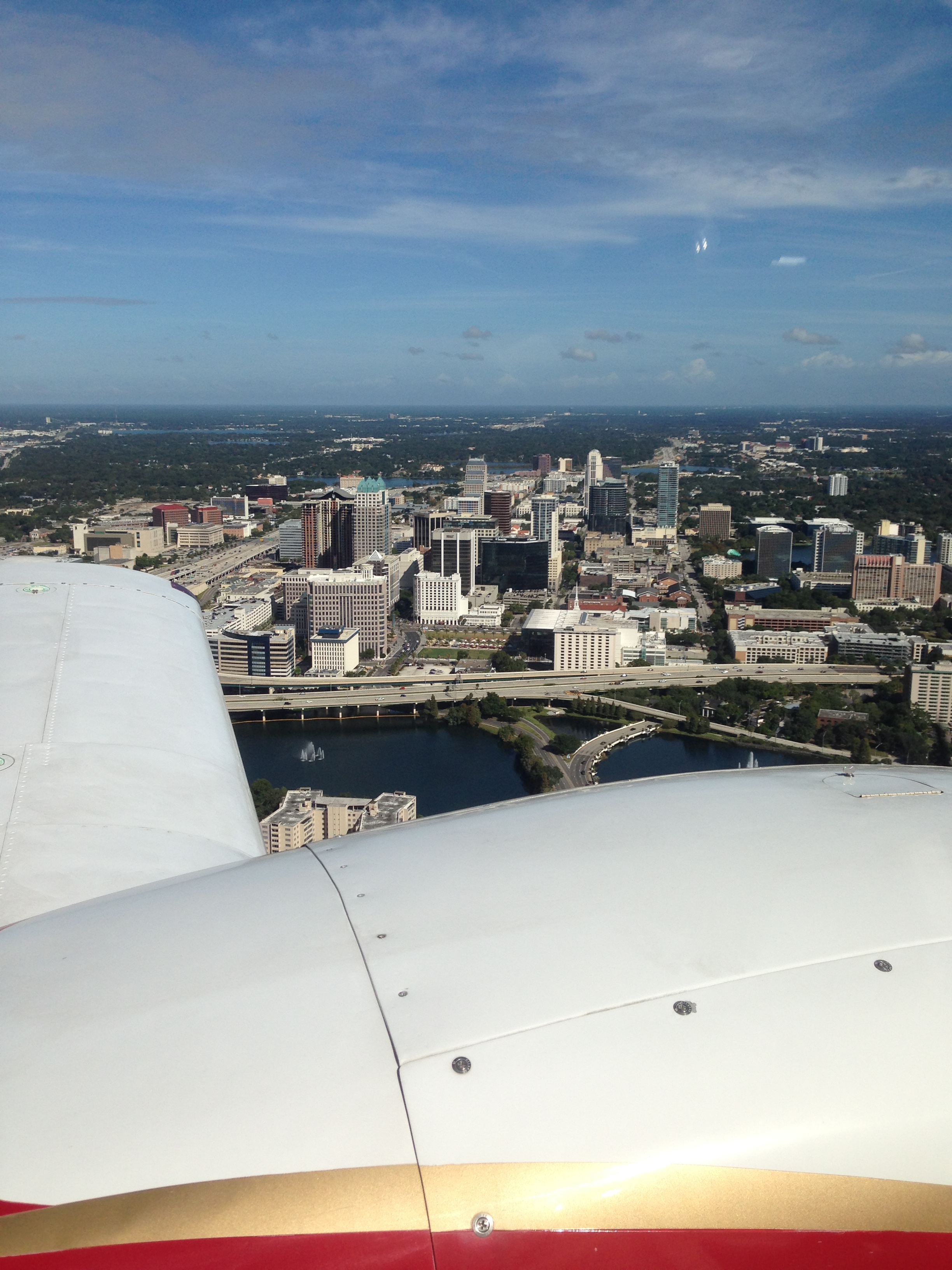
IMG_0506 This is the view from my seat of downtown Orlando on final into Orlando Executive Airport (KORL).  We took on two passengers for the flight to Eleuthera and departed around 2PM.  The flight from Orlando to Eleuthera is only 2 hours in the Aztec; we cruised around 160 knots (184 mph) groundspeed.  You do go over the Atlantic and are outside of sight of land for less than half an hour.  Because of this, we wore life vests during the flight.
IMG_0510
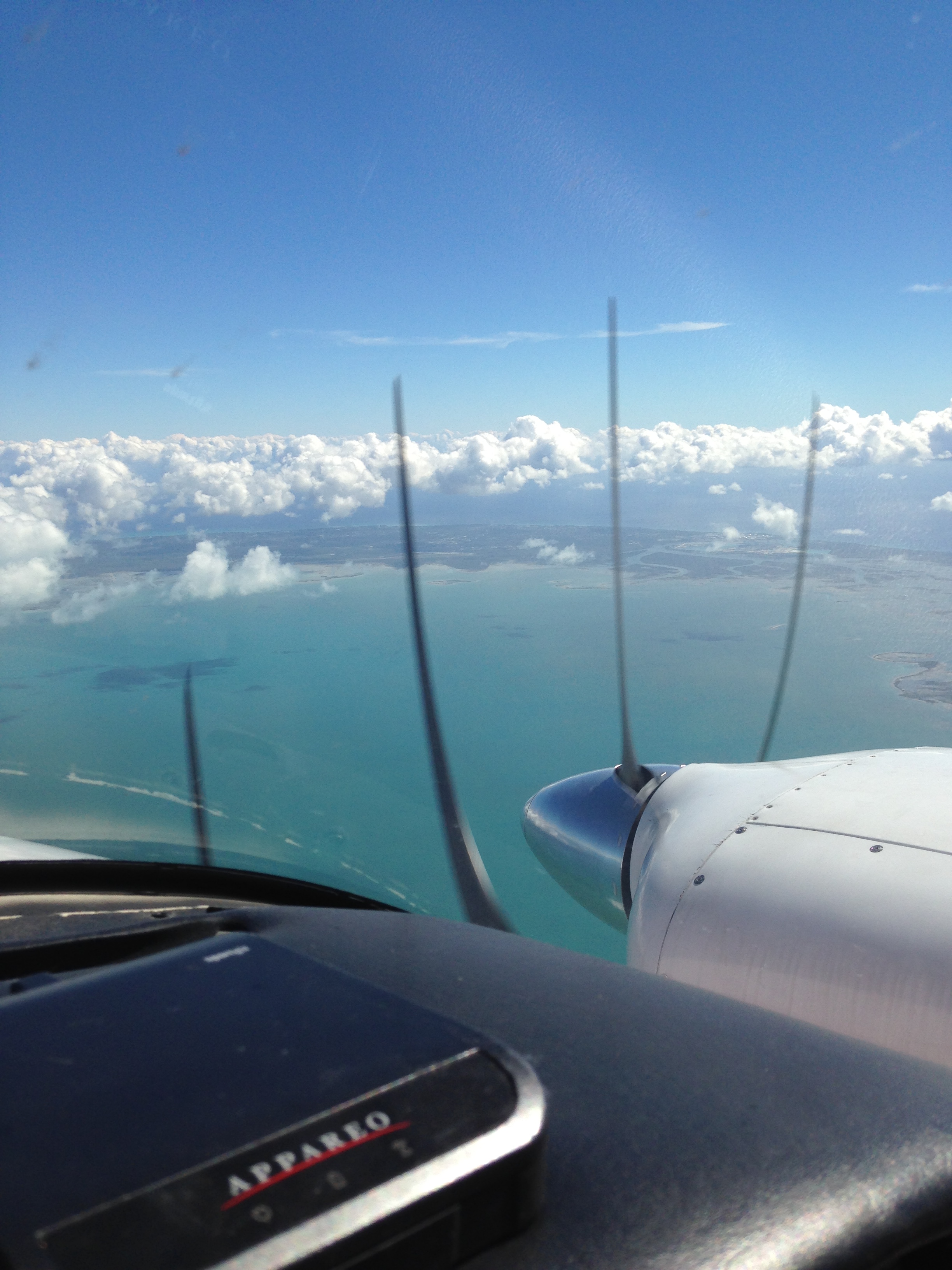
View of Grand Bahama.

Once landing in Eleuthera, we were greeted by the “real” Bahamas.  This is not the resorts!  Eleuthera has approximately 11,000 residents, with a 70% unemployment rate.  The residents subsist on fishing (a lot of conch!) and odds and end jobs.  That is the main reason for the vocational center.  The center is going to be programmed to teach diesel mechanics and wood-working, both trades that are in demand and will create much-needed job skills on Eleuthera.  Anyway, since The Bahamas is another country, we had to clear customs and pay the required “duties” and “fees.”

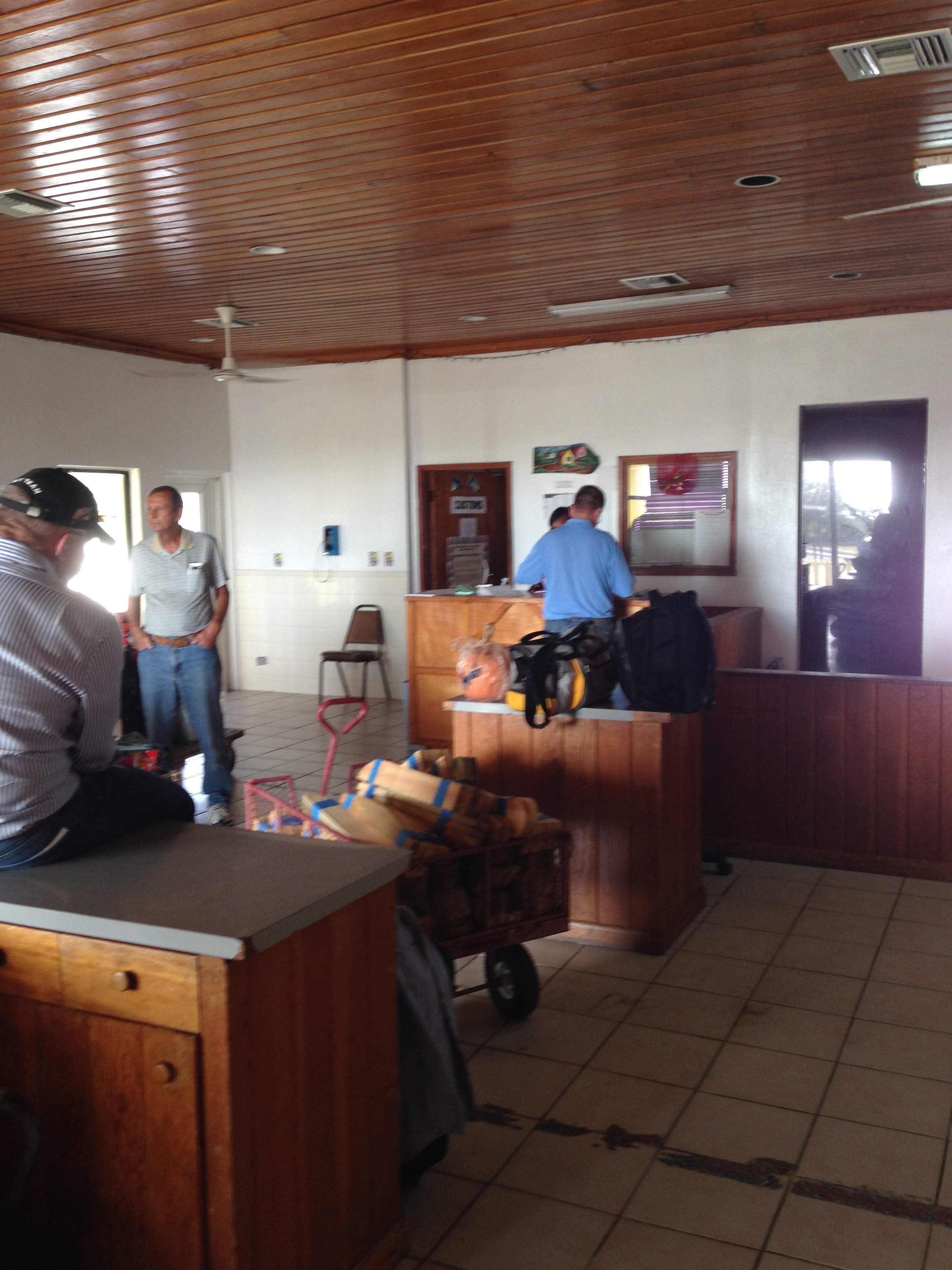
IMG_0517
Customs building. Note the boarded-up windows.
IMG_0516
Inside customs.

Our accommodations for the weekend was Camp Symonette.  This camp is owned by the Bahamas Conference of the Methodist Church and hosts mission teams who stay and assist with sub-standard housing repairs on the island.  It, of course, is open to any mission team, since this ordained Baptist minister was welcomed.

IMG_0518
Camp Symonette.
IMG_0526
Substandard housing.
IMG_0520
Gary London Vocational Centre.

Let me tell you the food was great as it was cooked/catered by locals.  The bugs weren’t too bad as long as the wind continued to blow but I have a constellation of No-See-Um bites on my arm from the times when the breeze stopped (No, Skin-So-Soft did not work).

Back to flying.  One highlight of the weekend for me was the chance to fly a Columbia 400.  This is the nicest airplane that I have ever piloted.  It is owned by the benefactor of the vocational center above, but she doesn’t like to fly and let her pilot have a free reign of the airplane for the days we were on Eleuthera.  Her pilot offered me the chance to fly the plane and I jumped on it.

IMG_0556
Columbia 400 that I flew.

We took the plane on an excursion to North Eleuthera airport and visited Harbour Island and then on Saturday, we flew to Norman’s Cay (pronounced “Key”).  According to Wikipedia, “Norman’s Cay is a small Bahamian island (a few hundred acres) in the Exumas, a chain of islands south and east of Nassau, that served as the headquarters for Carlos Lehder‘s drug-smuggling operation from 1978 to around 1982.”  In addition, “Norman’s Cay was featured in the 2001 movie Blow, starring Johnny Depp, who portrayed the life story of George Jung, and in Sidney D. Kirpatrick‘s book Turning The Tide.  Norman’s Cay was also referenced in the novel, “Heavy” by George Jung and T. Rafael Cimino. “Heavy” is a sequel to the book “Blow” by Jung and author Bruce Porter and a prequel to the novel “Mid Ocean” by Cimino, who is the nephew of film director Michael Cimino.”

There are only 27 residents on the island who work for a small resort and restaurant.  They are expecting big things for the resort, though, by the investment they have made in the runway.

IMG_0584
On final into Norman’s Cay.

The restaurant was really good for being completely isolated from any supplies and the Cay was postcard worthy.

IMG_0558
Norman’s Cay from the air.
IMG_0563
Ocean view from Norman’s Cay.

We spent a couple of hours on the Cay and then flew back to Eleuthera (about 50 miles).  We left Eleuthera on Sunday morning and flew back to Raleigh.  We encountered some pretty heavy tropical precipitation from Daytona Beach to Savannah, GA where my instrument-training came into practice.

I really enjoyed the trip and we see some great opportunities for Great Commission Aviation students to gain real-world mission experience flying to Eleuthera and assisting organizations there in both re-supply flights, vocational training, and ministry assistance.  I can’t wait to see what God is going to do with Great Commission Aviation, Bahamas Habitat and The Bahamas.

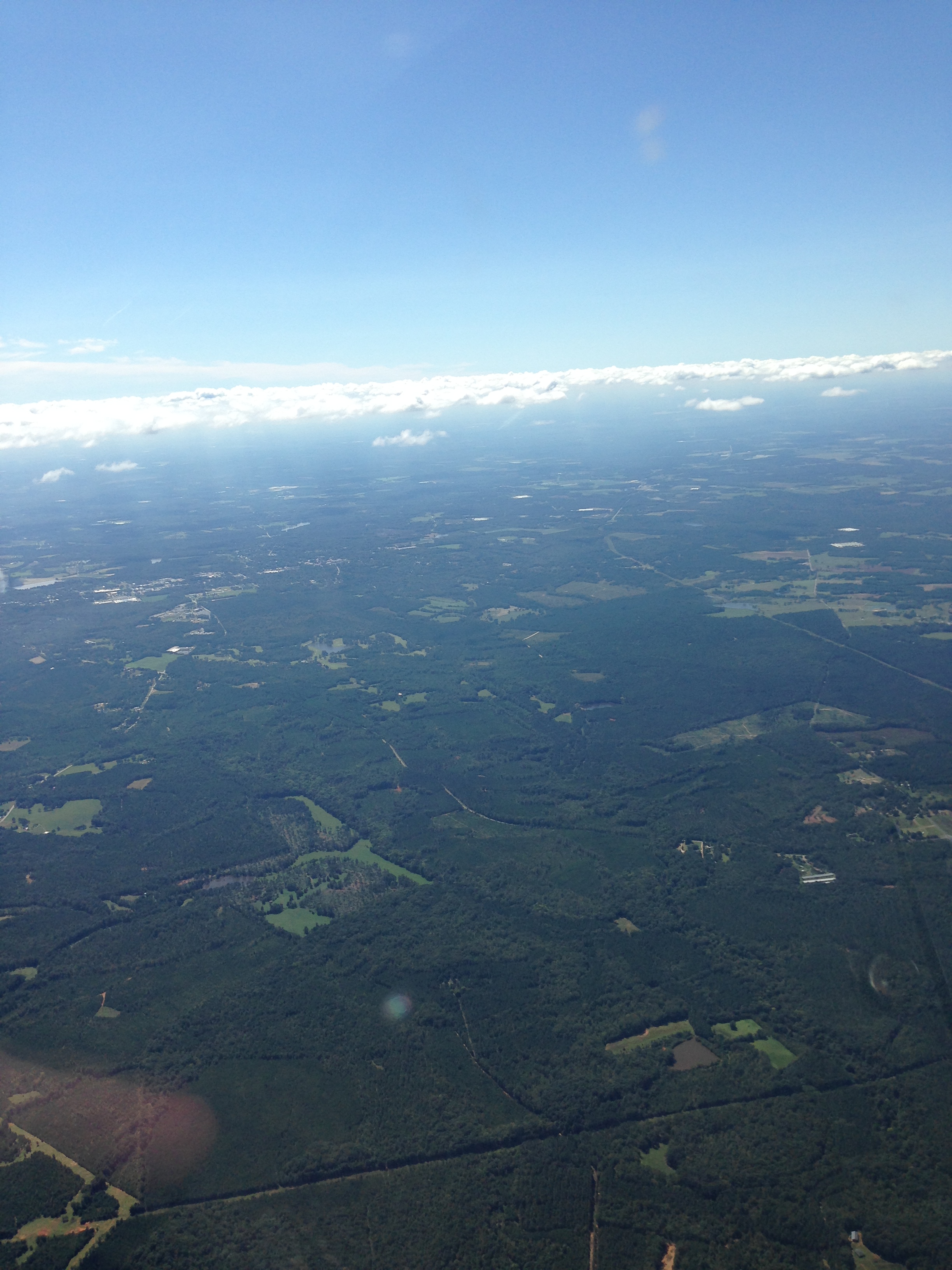
IMG_0579
Final sunset on Eleuthera with the “airport shuttle” in the background (really the camp’s bus).


Commercial Cross-Country plus Gyro Fly-In

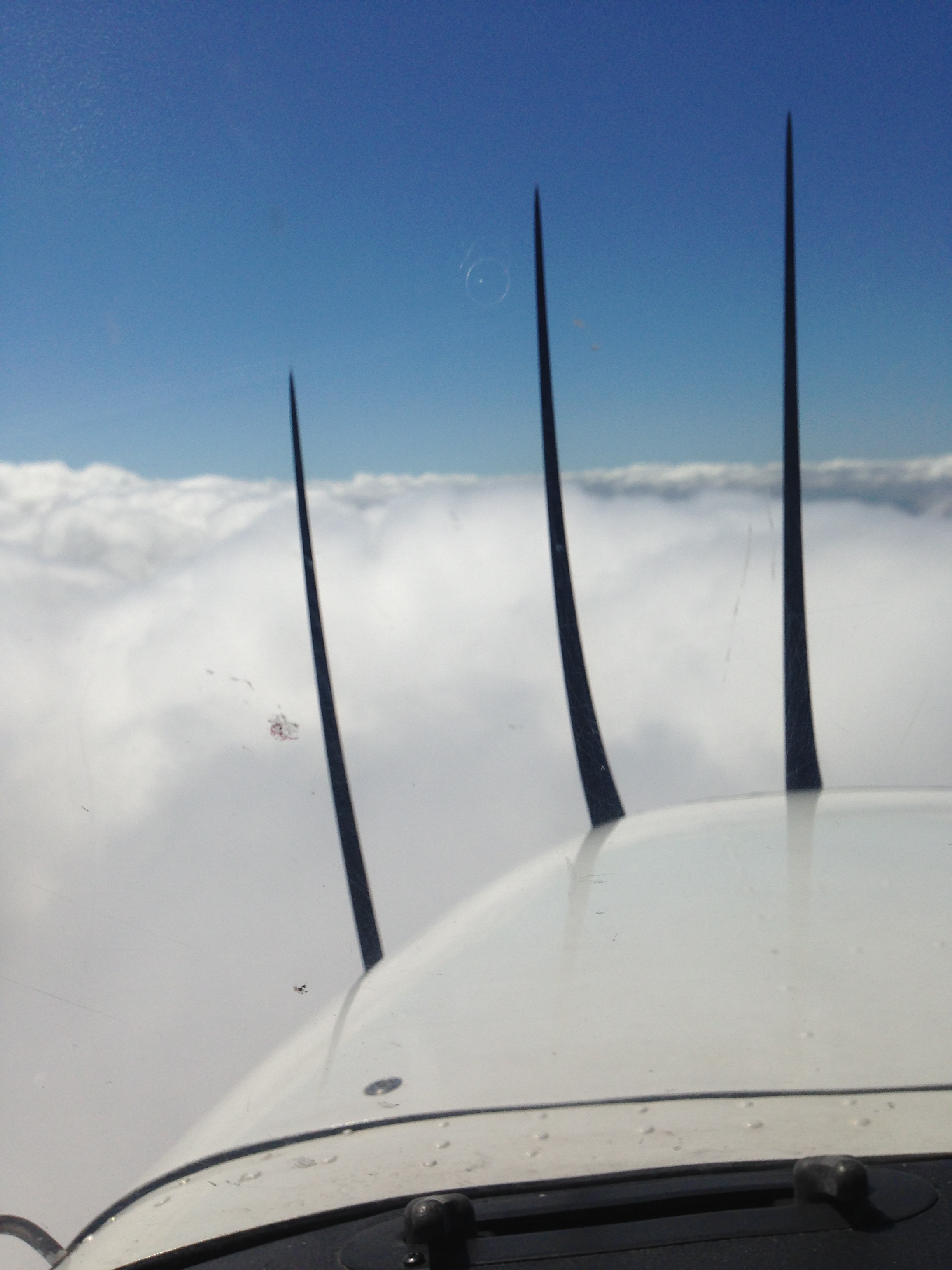
Last Friday, I completed my long cross-country for the commercial rating and attended a gyroplane fly-in at the same time!  The commercial long cross-country must be a minimum of 300 miles with one leg greater than 250 miles and 3 different airports visited.  To accomplish this, I took a Cessna 172SP from the flying club and flew to Wrens, GA for the Wrens Fall Fly-In hosted by the local EAA (Experimental Aviation Association) chapter, the Peach State Rotor Club and the Carolina Barnstormers (both gyroplane enthusiast clubs).  Since Wrens, GA is less than 250 miles from Sanford (236 to be exact), I had to fly past Wrens to reach the 250 mark.  Therefore, I flew to Baldwin County Airport in GA (KMLJ).  There I refueled and flew approximately 27 miles to Greene County Airport (3J7) and then back 44 miles to Wrens (65J).  The flight was smooth, with some actual instrument conditions near the destination and strong winds in Georgia, but something I should be able to handle as a commercial student.  Here are some aerial views of Georgia and the clouds coming in to Baldwin County:

IMG_0406 IMG_0409 IMG_0411

Once at Wrens, I tied down the only fixed-wing airplane and waited for the show.

IMG_0417

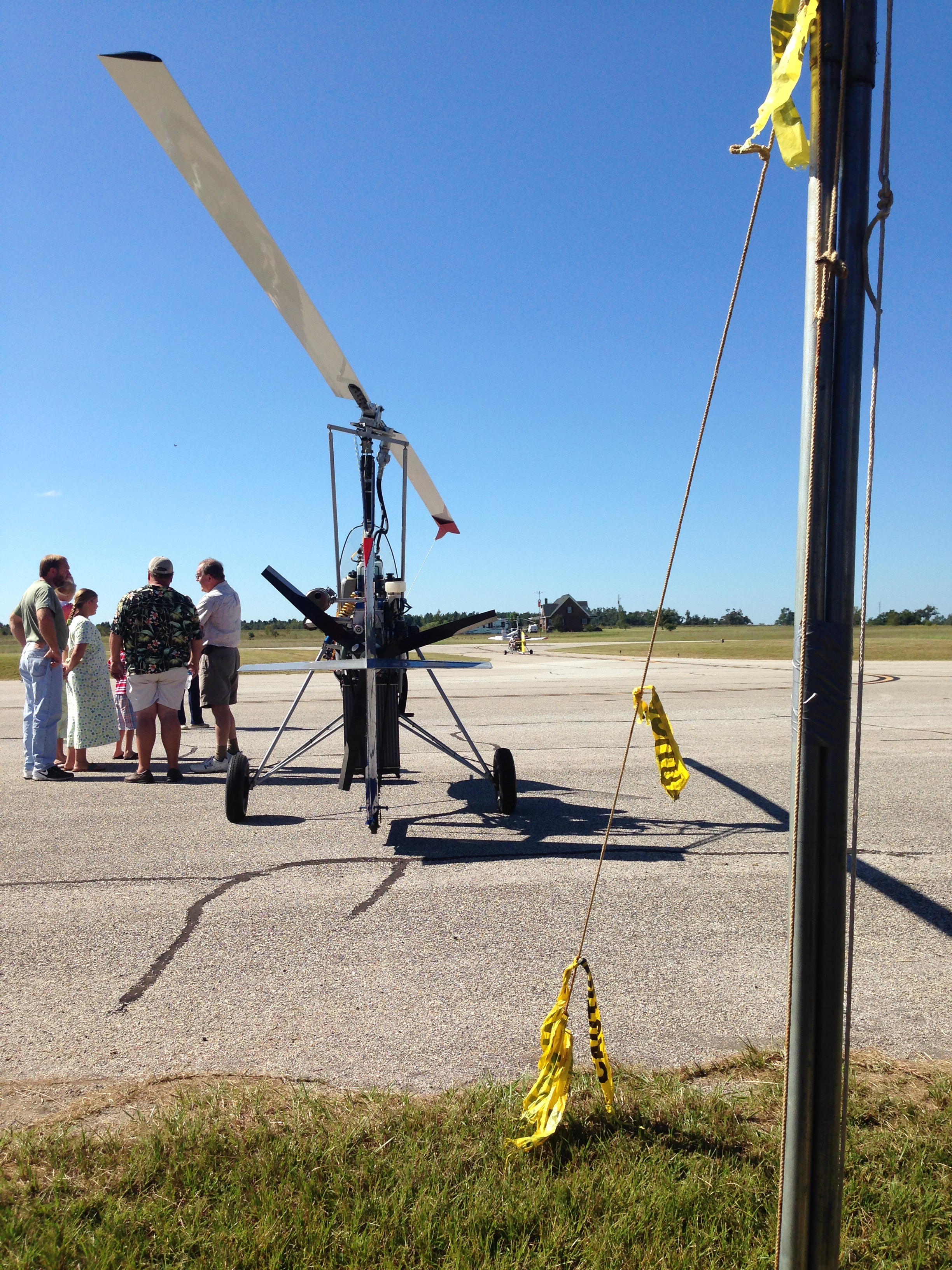
Soon thereafter, gyros began to arrive with an Autogyro MTO Sport flying from Florida parking next to my airplane.

IMG_0419

By evening, there were approximately 20 gryoplanes at the airport and I was having a blast hanging out with gyro pilots from Tennessee, Georgia, North Carolina, South Carolina, Florida and even one guy who flew approximately 800 miles from Massachusetts in his gyroplane!  He flew over New York City at 9,000 feet to stay above the traffic and watched airliners fly under him into JFK!  Great guy to listen to.  He has some wonderful stories about flying gyroplanes and trikes around New York City and the Jersey Shore.  We all went to eat at an Amish Restaurant (home cooking) and then several people, including me, camped at the airport, while others stayed at the only hotel in town (camping was just as nice).

The next morning, the show began!  There were always 4-5 gyroplanes in the air at one time and 20+ airplanes came in to visit as well.  I helped judged the gyros for their awards including longest flight and best in show.  It was a very busy little airport on Saturday.

IMG_0421 IMG_0423 IMG_0429

There were a nice mix of gyroplanes, including the European style, such as Autogyro and Magni, and purist homebuilt style.  I flew back to Sanford on Saturday evening extremely tired but I really enjoyed the trip and the experience.

Intro to Mission Aviation Next Week!

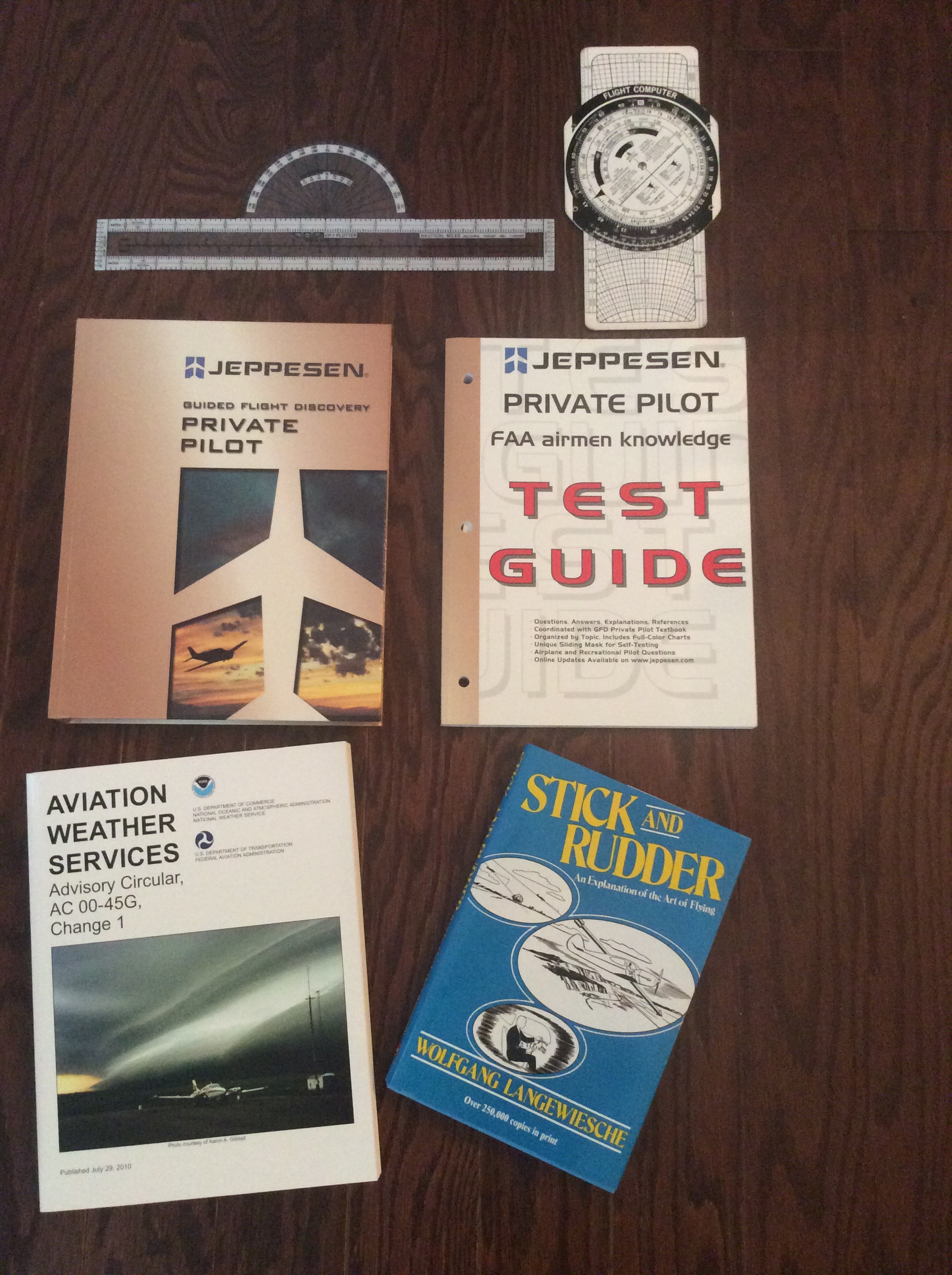
We have one week to go until the start of Intro to Mission Aviation/FAA Private Pilot Ground School.  We start next Thursday, September 10 at 6PM at Southeastern Baptist Theological Seminary – Adams 112.  Tuition is only $99.  That is a SIGNIFICANT reduction of normal tuition.

Who should take this course?  Interested in utilizing aviation in the mission field?  How about just becoming a Private Pilot?  Don’t know if aviation is for you but just want to learn more about what it takes to become a pilot?  This class is for you too.  Email greatcommissionaviation@gmail.com to register.  See you there!

IMG_20141024_124121

Only 2 Weeks Left to Register!

Only 2 weeks remain until the start of Intro to Mission Aviation/FAA Private Pilot Ground School at Southeastern Baptist Theological Seminary.  We will meet on Thursday, September 10 from 6-9PM and the following 11 Thursdays.  Cost is only $99.  Learn what it takes to be a pilot in your mission field and learn the required technical information to complete the FAA Knowledge Exam for Private Pilot!  See you there!

IMG_0101

Gyroplanes for Mission Aviation?

IMG_0370

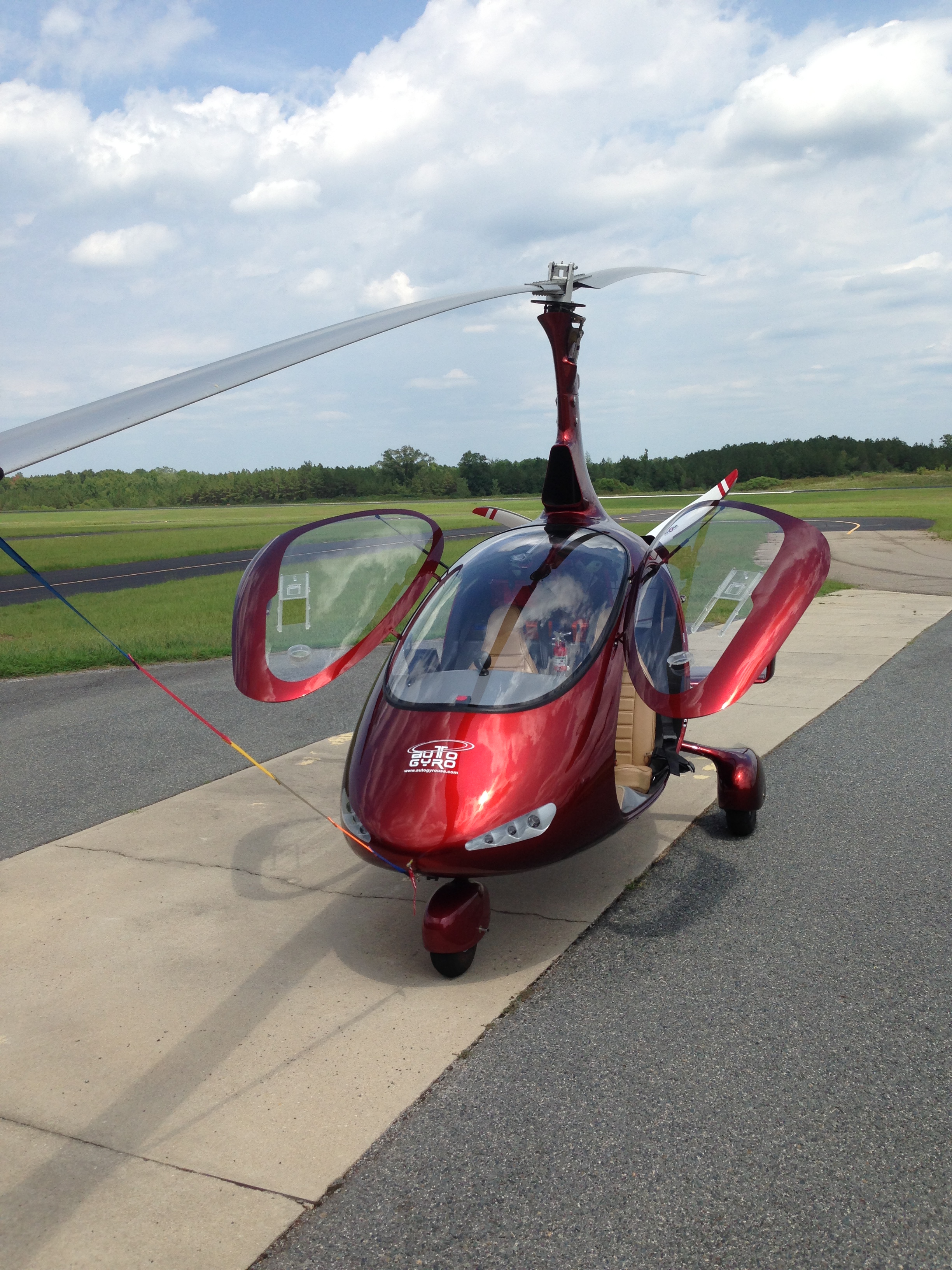
Today I had the opportunity to meet with a group of guys who call themselves the “Carolina Barnstormers.”  These guys are all protagonists of “gyroplanes.”  What is a gyroplane, you ask?  According to the FAA, a gyroplane is “an aircraft that achieves lift by a free spinning rotor.”  Therefore, a gyroplane has a rotor like a helicopter but the engine does not spin the rotor, it is free spinning.  The gyroplane has an airplane-style propeller on the back of the aircraft that “pushes” the aircraft forward.  In this manner, they are flown more similar to fixed-wing airplanes than helicopters.  They are also MUCH cheaper to acquire and operate than helicopters but deliver many of the benefits of rotor-wing flight.

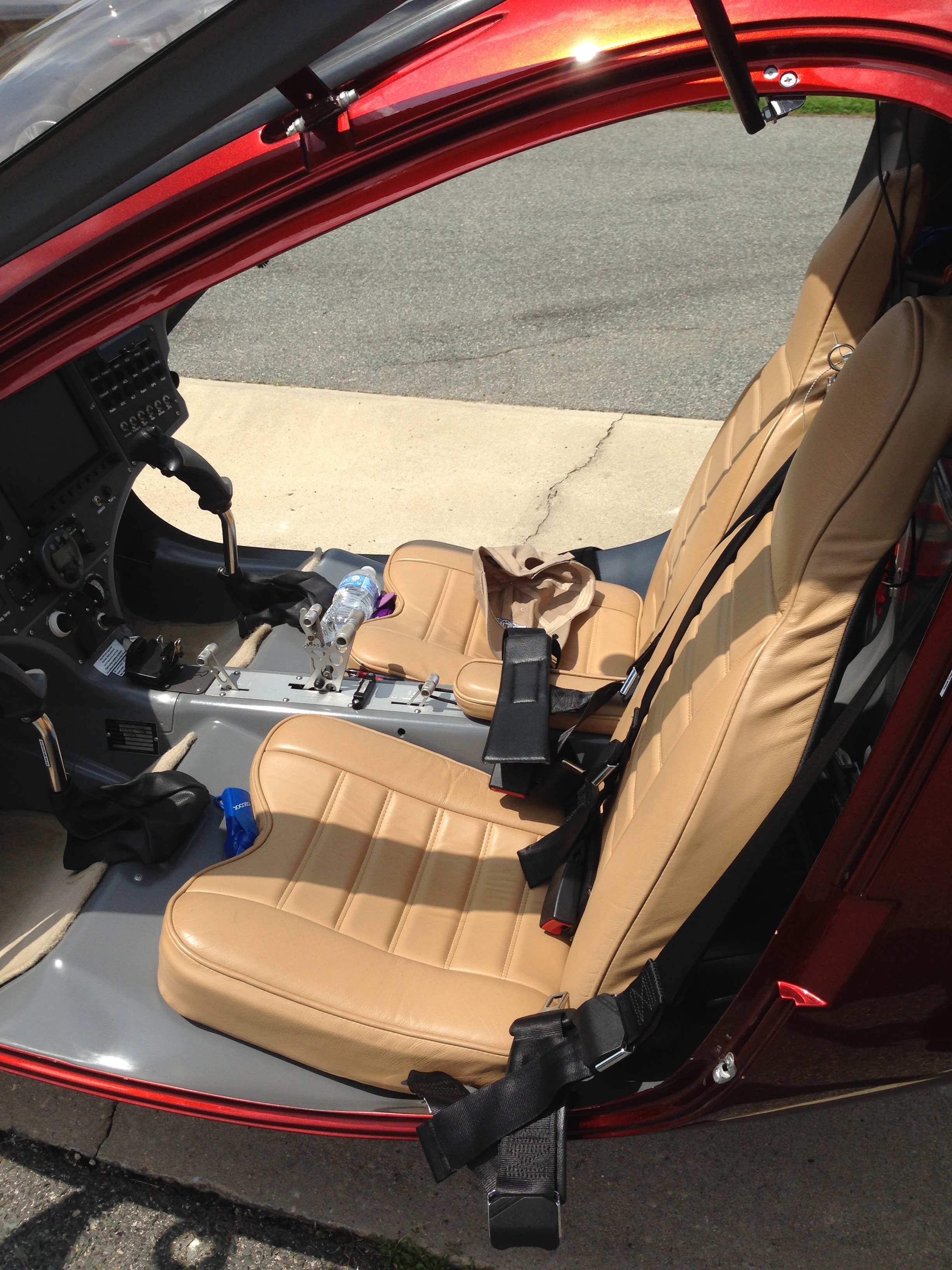
I was able to fly in an AutoGyro Cavalon, which is seen in the picture above.  This gyroplane is a side-by-side seating arrangement like most general aviation airplanes.  Although it has much more room in the cabin than typical Cessna and Piper airplanes.

IMG_0372

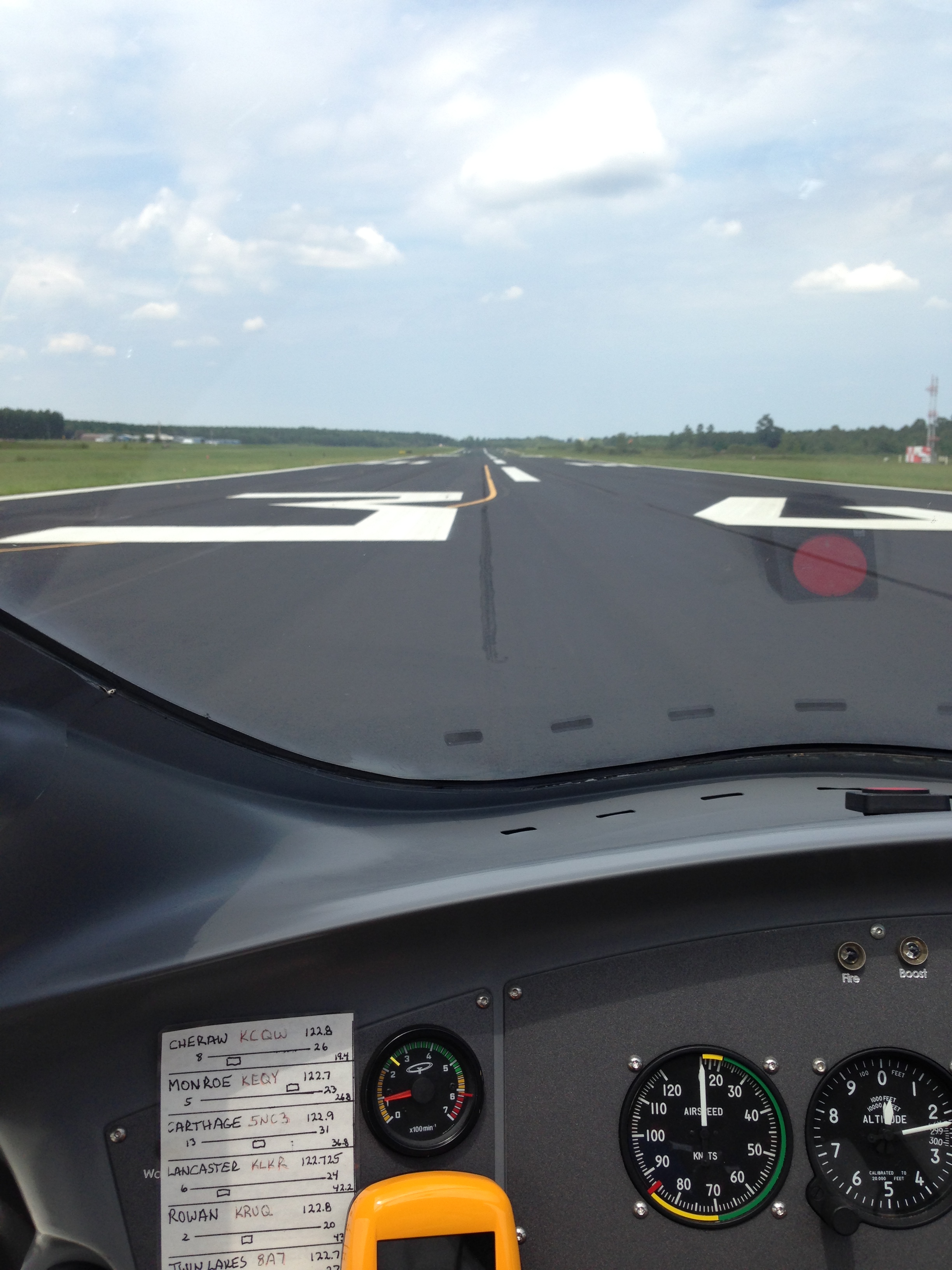
IMG_0366 Here is a picture of us ready for departure.  The rotor is “pre-rotated” to approximately 200 rpm’s and then the forward movement of the gyroplane by the propeller accelerates the free-spinning rotor to take-off speed.  The visibility out of the Cavalon was excellent compared to most airplanes I have flown, with only the tailwheels I flew a few weeks ago coming close.

IMG_0367

Another great thing about gyroplanes; look at this picture and see if you notice anything “odd?”

IMG_0368Yep, we are at 1,200 feet with 0 airspeed.  While gyroplanes cannot “hover” like helicopters due to the autorotating rotor, gyroplanes, in essence, will not stall when the speed decays.  The rotor continues to spin and the aircraft simply descends.  Therefore, engine failures are much less of an emergency than in a fixed wing aircraft.  We were able to look for a small landing spot, pitch over to build up some airspeed in order to flare for a landing and, in an actual engine-out, make a normal landing.

So what are the advantages to gyroplanes?  First, they are able to take-off in very short distances, usually around 300 feet.  They are able to land, though, in an area about the size of a tennis court.  In many of the bush-type airplanes that we train in for the mission field, the landing is the most difficult and technical arena.  Not so in a gyroplane.  Second, in emergency situations the gyroplane is much easier to handle for landing.  Finally, they maneuver more like helicopters rather than airplanes, which means they are very maneuverable and have even been called the sport-bikes of the sky.

Negatives?  They are small, only holding two people.  But then again, so are the general aviation aircraft we are looking at.  Second, as with small helicopters, forward speed maxes out around 90 knots.  Finally, they do not hold much in the way of baggage.  Once again, though, they do hold about the same amount of baggage as the tailwheel airplanes in which I just trained.  The biggest negative with gyroplanes is that they have been the proverbial step-children of the FAA for the past few decades.  In the rest of the world they are seen as very capable aircraft but not so much in the US.  Hopefully this will change in the near future.  What do you think about gyroplanes?  Do you think Great Commission Aviation should look into this form of aircraft for training?  I would hope that we may see gyroplanes incorporated into our version of micro-aviation training in the near future.

Tailwheel Endorsement with STOL Training!

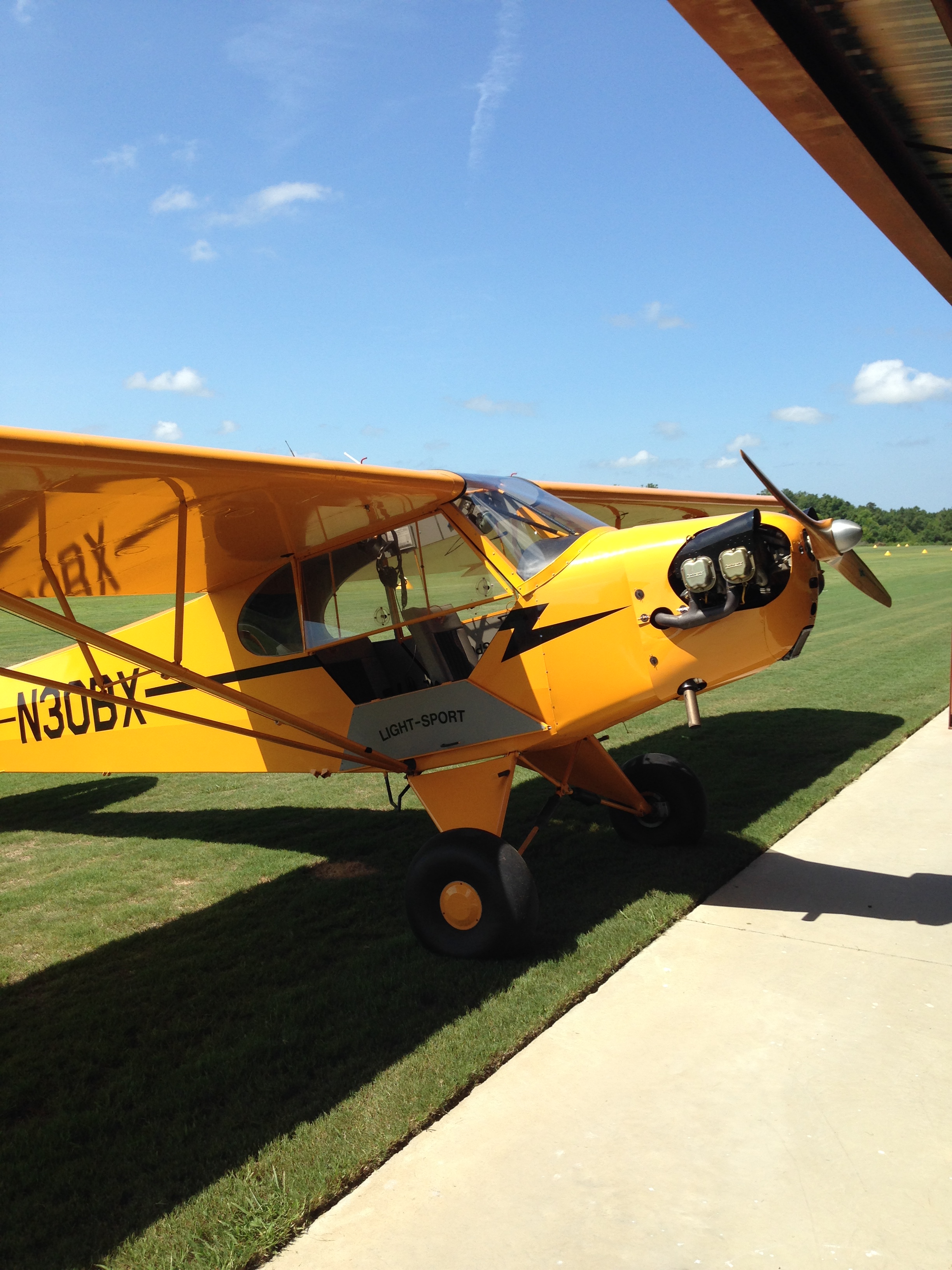
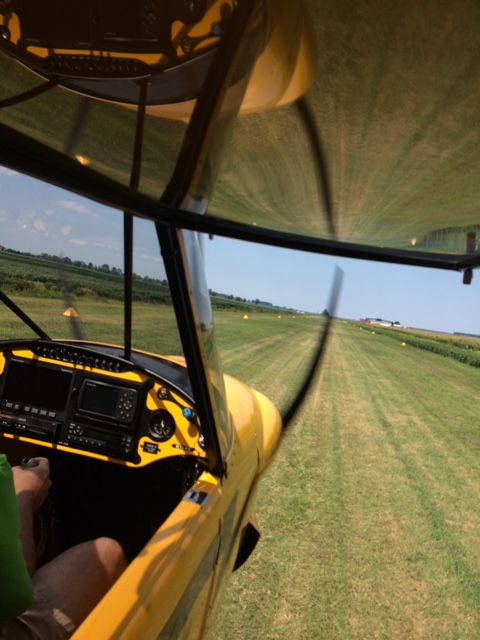
This past week I spent two days having the most awesome flying experience!  I flew over 13 hours and made 97 landings (all but 3 were on grass, dirt or sand) while learning to fly a tailwheel (or taildragger) airplane.  I flew 3 different planes, but all were substantially copies of the Piper Cub.  Here is one of the planes I flew:

IMG_0332

It takes A LONG time for a pilot of standard tricycle gear airplanes to learn how to land a tailwheel.  It is VERY frustrating and tiring.  You are using the rudder pedals so much it feels like you have done several hundred leg presses at the gym.  My legs felt like spaghetti and I was drenched in sweat at the end of each day.

In addition, my training included short field and backcountry flying.  True missionary aviation!  I learned to fly close to the ground like a cropduster:

IMG_2291

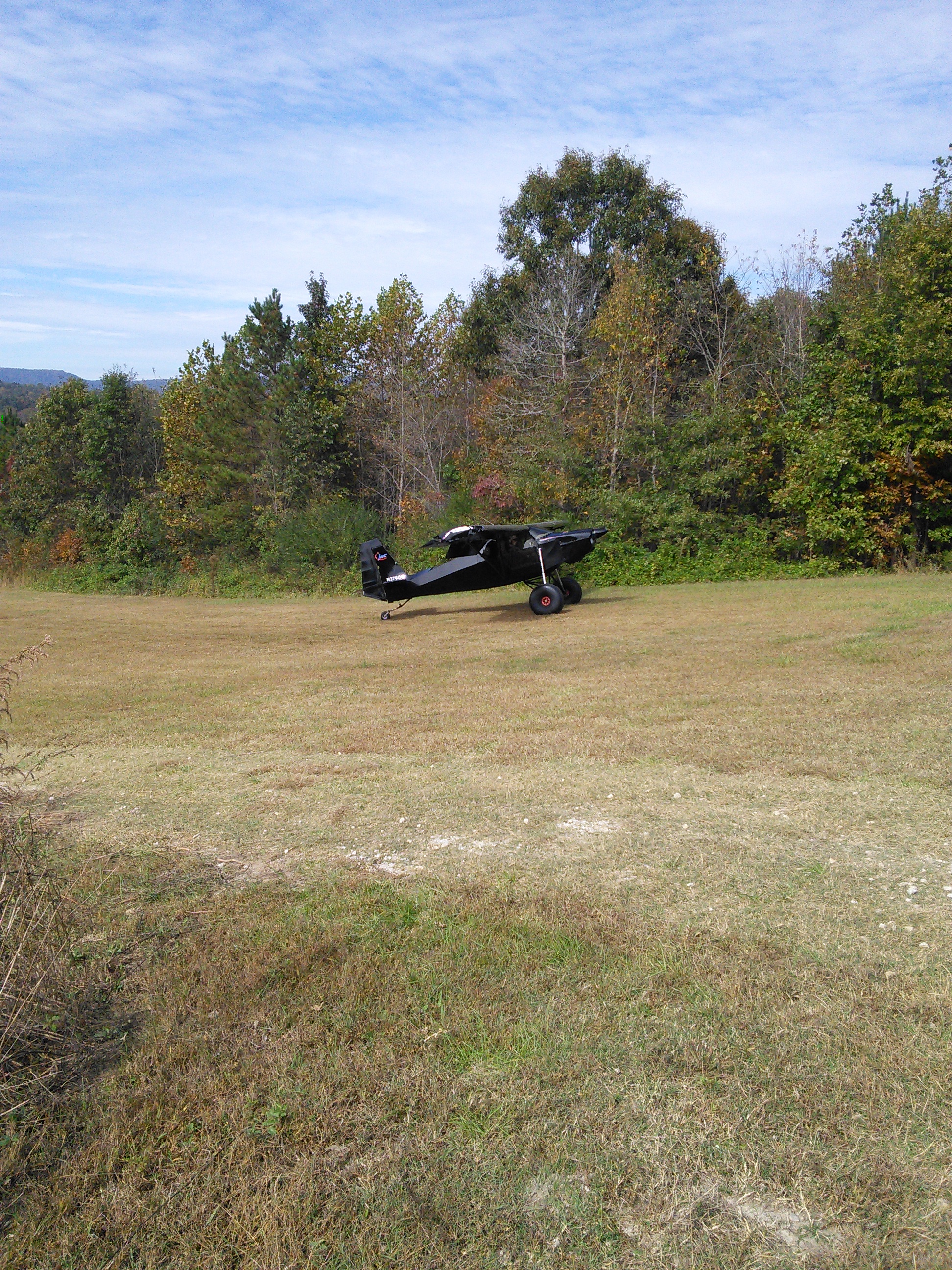
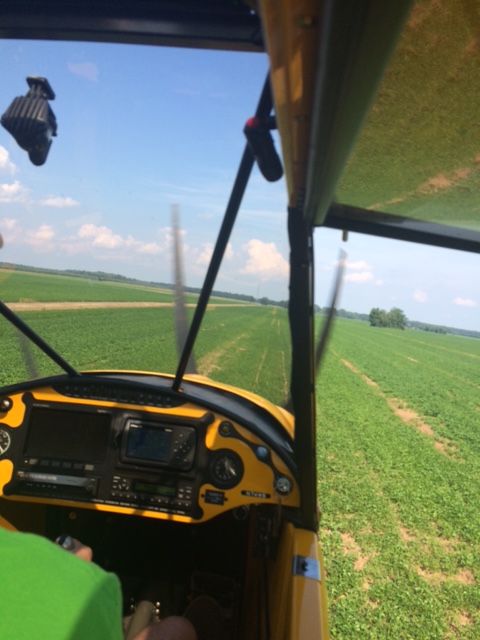
and to fly into unimproved “airstrips” like this field next to a country church:IMG_2279  The grass in that field was up to the door of the plane.  We had to use a special technique of lowering flaps to “elevate” the plane enough to get it out of the grass.  We then flew between two crops of trees out over a river to gain airspeed.  I also had to learn to fly into extremely short airstrips like this one:

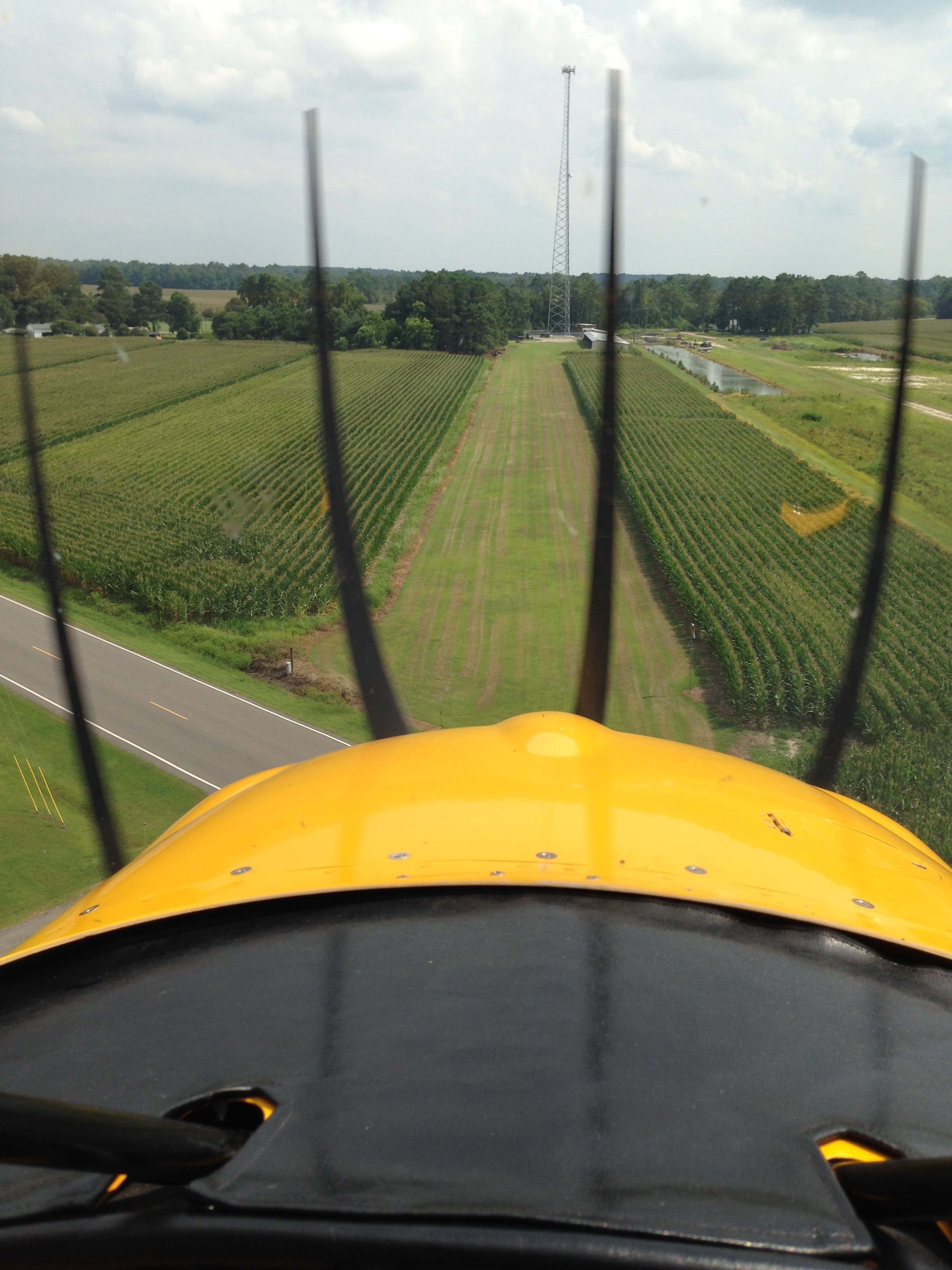
IMG_0340 IMG_0339Yep, that is a cell tower at the end of this little strip.  You flew in over the road (looking for traffic) and had to stop before getting to the cell tower.  This is a one-way-in and one-way-out strip.  Here is another strip in the middle of a corn field:

IMG_2271 It was a little easier compared to the others.  We also looked for bears, deer and red wolves by air.  It was the greatest learning experience I have had flying and it is techniques that I hope to share with future preacher pilots.  My instructor told me about a preacher and a doctor who both flew little planes just like this all over Eastern North Carolina ministering to the farmers and locals.  This is exactly why Great Commission Aviation exists.  It also never hurts to end two-days of exhausting training with views like this:

IMG_2301